Free shipping on prepaid orders · 7-day easy returns · ₹200 off ₹999+ with code BABYLOVE

How to Dress a Newborn in Indian Summer, Monsoon and Winter

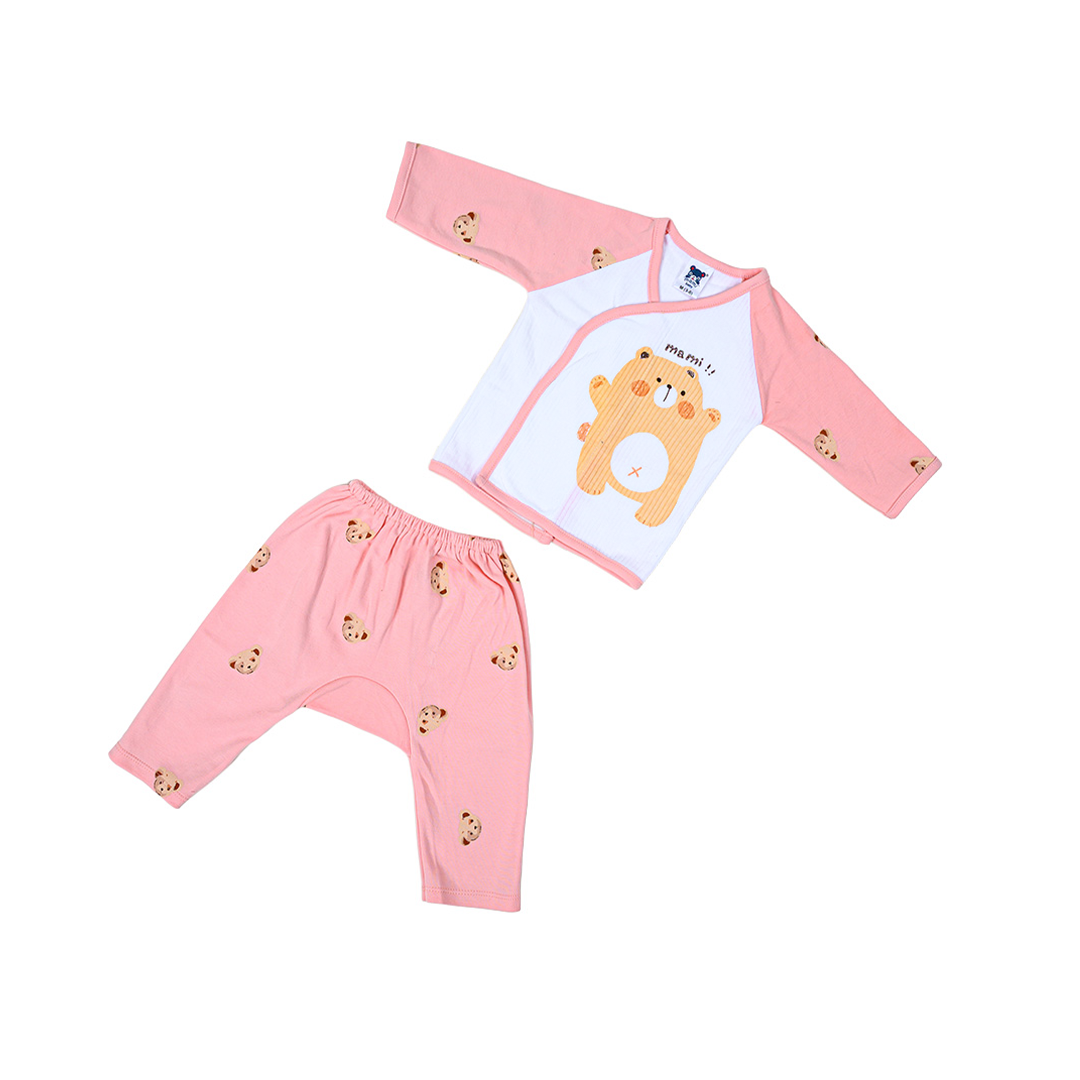
Dress your newborn in one more light layer than you need to feel comfortable in the same room. In summer that usually means a single loose cotton layer; in monsoon, quick-drying cotton changed often; in winter, a cotton base layer plus a full-sleeve suit and socks. Check your baby’s chest or neck, not hands, to judge warmth.
This guide is part of our complete newborn baby clothes guide for India. It is general guidance, not medical advice: if you are worried about your baby, speak to your paediatrician.
The basic layering rule
The American Academy of Pediatrics (AAP) suggests dressing a baby in only one layer more than you are wearing (HealthyChildren.org, safe sleep). Its newborn dressing guidance adds that when the room is warmer than about 24°C (75°F), you can usually reduce clothing to a single layer, and when it is cooler, several layers help (HealthyChildren.org, Dressing Your Newborn). Premature babies may need an extra layer until they reach full-term weight; ask your doctor.
In practice, start with a breathable cotton onesie or jhabla next to the skin, then add or remove one thin layer at a time. Several thin layers are easier to adjust than one thick one, and front-opening clothes with snaps down the front and legs make changes easier.
If you are choosing between outfit styles, see jhabla vs romper vs onesie.
How to tell if your baby is too hot or too cold
Feel your baby’s chest or the back of the neck. If the skin is hot or sweaty, remove a layer. Cool hands and feet are normal and on their own do not mean your baby is cold (NHS).
The AAP lists sweating, a hot chest and flushed skin as signs of overheating, and notes that overheating is linked to a higher risk of sudden infant death syndrome (SIDS). Other signs parents notice include damp hair, a heat rash on the neck or back, and unusual fussiness.
Get medical help quickly if, after time in the heat, your baby is unusually sleepy or hard to wake, has a fever, is vomiting, is breathing faster than normal, or has not passed urine for many hours, and does not improve quickly in a cool place. The AAP treats heat stroke as a medical emergency (HealthyChildren.org, extreme heat).
Room temperature and what to dress your baby in
The NHS recommends keeping a baby’s sleep room at about 16–20°C (NHS). Many Indian homes are warmer than that for much of the year, so use a room thermometer and adjust clothing to the actual temperature. The table below is a general starting point based on the one-extra-layer rule. Always confirm by checking your baby’s chest or neck.
| Room temperature | Typical setting in India | What to dress your newborn in | For sleep |
|---|---|---|---|
| Above 28°C | Summer afternoon, fan only | Diaper plus one thin cotton or muslin layer (jhabla or short-sleeved onesie) | Same single layer; no blanket |
| 24–28°C | Summer evening, cooler, or mild AC | One light layer; short or full sleeves | Single layer; a thin muslin cover only if needed |
| 20–24°C | AC room, post-monsoon night, southern winter | Cotton onesie plus a light full-sleeve romper or pyjama set | Add a light wearable blanket or sleep sack if your baby feels cool |
| 16–20°C | Cool AC setting, winter night in many regions | Onesie, full-sleeve suit, socks | Add a warmer wearable blanket or sleep sack |
| Below 16°C | Unheated room on a north Indian winter night | Onesie, full-sleeve suit, socks, plus one warmer layer | Warmer sleep sack; ask your paediatrician about safe sleep layers |
Keep the sleep space free of pillows, quilts and loose heavy blankets, and do not use a hat for indoor sleep. The AAP advises against hats indoors once you are home from hospital, and the NHS advises removing hats and extra layers when you come indoors or get into a car, even if your baby is asleep.
Dressing a newborn in Indian summer
Relatives may worry that a baby will “catch a chill”, but in most Indian summers the bigger risk is overheating.
- One loose layer of thin cotton or muslin is usually enough. A jhabla or short-sleeved onesie with a diaper works well at home.
- Choose light colours for outdoor trips. The AAP notes that light-coloured, loose, single-layer clothing made of absorbent fabric helps sweat evaporate.
- Avoid synthetic frills, heavy prints and tight elastic, which trap heat against the skin.
- Change damp clothes after feeds or naps, since sweat-soaked fabric irritates skin.
- Feeding: the AAP says babies under six months should not be given water; on hot days, breastfed babies can be offered more breast milk and formula-fed babies extra formula. Follow your paediatrician’s advice.
For heat rash (prickly heat), small itchy raised spots that are common in babies, the NHS advises loose cotton clothing, lightweight bedding and cool skin, and seeing a doctor if it does not improve after a few days (NHS, Heat rash).
Kidspot Shop picks for summer:
- Onesies 0 to 3 Months: pack of three short-sleeved soft interlock cotton bodysuits.
- Lightweight Bamboo Cotton T-Shirt & Shorts Nightwear Set: a soft bamboo cotton blend, short sleeves and shorts, 3–6 and 6–12 months.
- Baby Bibs: cotton muslin bibs to catch dribble so the neckline stays dry.
Using AC, coolers and fans safely
- Dress for the room, not the season. A baby in a room cooled to the low 20s needs a full-sleeve layer even in May. Use the table above.
- Never point the AC vent, cooler or fan straight at your baby. Keep the baby out of the direct airflow, and keep fans at a safe distance from the cot.
- Choose a steady, comfortable setting, not a very cold one; ask your paediatrician what suits your baby.
- Adjust layers when moving between rooms. Add a light layer before leaving a hot room for a cold AC room, and remove it when you go back out. Don’t take a baby from a very cold car straight into midday heat in full winter clothes.
- Coolers add humidity. If clothes or bedding feel damp, change them, and keep the room ventilated.
Dressing a newborn in the monsoon
In the humid monsoon, the aim is to keep your baby dry, not just warm.
- Use thin cotton and muslin that dry quickly, and keep extra sets in rotation, since drying takes longer. Our newborn clothes checklist shows how many extra pieces to add for the monsoon.
- Light full-sleeve layers in the evening help with cooler air and mosquitoes, alongside other mosquito protection your doctor recommends.
- Change wet diapers promptly and let the diaper area air for a few minutes during changes.
Drying clothes properly
- Dry clothes completely before folding or storing them; damp storage causes musty smells and mildew.
- Without sun, dry indoors near a fan and spread pieces out. If you iron to finish drying seams, let the garment cool first.
- Store clean clothes in a dry, ventilated cupboard.
Preventing skin-fold rashes
Warm, damp skin folds (neck, underarms, groin, behind the knees and the diaper area) are where rashes tend to start in humid weather.
- Pat skin folds dry after baths and feeds, and dress your baby in loose, breathable cotton.
- Do not leave your baby in sweaty or damp clothes.
- If a red rash appears in the skin folds or diaper area and does not settle within a few days, or spreads, ask your paediatrician. Do not apply medicated, steroid or antifungal creams without their advice, as different rashes need different treatment.
Useful during the monsoon: the Baby Face Towel (6 Pc Basket), soft cotton terry washcloths for patting skin dry, and the Mami Baby Towel & Wrapper, a hooded cotton towel for after baths. For Kidspot Shop clothes, wash cold on a gentle cycle or by hand with a mild baby detergent, dry in shade and don’t tumble dry; see our fabric and care page for the full steps.
Dressing a newborn in Indian winter
Winter is mild in much of the south and east but cold at night in the north, so use the room-temperature table rather than the calendar.
- Layers: a cotton onesie, then a full-sleeve romper or pyjama set, plus socks. Cap and mittens for outings only.
- Sleep: a wearable blanket or sleep sack is safer than loose heavy quilts. If you use a light blanket for cuddles or the pram, read our newborn baby blanket guide.
- Don’t over-bundle. Babies wrapped in many layers indoors can overheat even in winter. Keep checking the chest or neck.
Kidspot Shop picks for winter:
- Full Sleeves Romper Set Printed: listed as soft cotton, newborn size. More options are in the baby rompers collection.
- Soft Bamboo Cotton Front-Open Velcro Nightwear Set: front-opening sleepwear, 0–3 and 3–6 months.
- Baby Cotton Knit Caps, Mittens and Booties Set: for outings and travel.
- Baby Blankets: interlock knit cotton blanket for supervised cuddles and outings.
Season-by-season summary
| Season | Base layer | Extra layers | Key care tip |
|---|---|---|---|
| Summer | Thin cotton or muslin jhabla or onesie | Usually none | Watch for sweat and heat rash; keep out of direct sun |
| AC or cooler room | Cotton onesie | Light full-sleeve layer | Keep baby out of the direct airflow |
| Monsoon | Quick-drying cotton or muslin | Light full sleeves in the evening | Dry clothes fully; keep skin folds dry |
| Winter | Cotton onesie | Full-sleeve suit, socks; sleep sack for night | No hats indoors; don’t over-bundle |
For fabric choices by season, read best fabric for newborn baby clothes.
Frequently asked questions
How many layers should a newborn wear in Indian summer?
Usually one. A loose, thin cotton or muslin layer with a diaper is enough on most summer days without AC. The AAP suggests a single layer when the room is above about 24°C. Check your baby’s chest or neck and remove a layer if it feels hot or sweaty.
Should my newborn wear socks and a cap in an AC room?
Socks are fine if the room is cool. Avoid caps indoors, especially for sleep: the AAP advises against hats indoors once you are home from hospital. Dress for the room’s temperature and keep your baby out of the AC’s direct airflow.
How do I know if my baby is overheating?
Feel the chest or the back of the neck. Sweating, a hot chest, flushed skin, damp hair and a heat rash are common signs. Remove a layer and move to a cooler spot. If your baby is unusually sleepy, hard to wake, feverish or not feeding well, call your paediatrician straight away.
How can I prevent rashes during the monsoon?
Dress your baby in loose, breathable cotton, change damp clothes and diapers promptly, pat skin folds dry, and make sure laundry is completely dry before use. If a rash does not improve within a few days, ask your paediatrician before using any cream.
Build a wardrobe that works in every season with our newborn baby clothes guide, or shop the newborn baby clothes collection and baby dresses and clothing.
About the author: Md. Farhan Alam is the founder of Kidspot Shop, which he started in 2022 to bring softer, fairly priced baby clothes to families across India. He is not a medical expert, so the safety guidance in this article is general; please check with your paediatrician about your own baby.
