Free shipping on prepaid orders · 7-day easy returns · ₹200 off ₹999+ with code BABYLOVE
Best Fabric for Newborn Baby Clothes in India: Cotton vs Muslin vs Bamboo

Soft, breathable cotton is the safest everyday choice for a newborn in India. Muslin, a loosely woven cotton, is the coolest option for humid summers and monsoon. Bamboo-based knits feel silky and stretchy and work well for sleepwear. Whatever you pick, choose light, loose layers, check the fibre label, and wash everything before first use.
This guide is part of our complete newborn baby clothes guide for India. Once you’ve chosen fabrics, our newborn clothes checklist shows how many pieces you need.
What makes a fabric right for newborn skin?
A good newborn fabric lets air and sweat pass through, feels soft, stretches enough to go over a wobbly head, and survives frequent washing. In most Indian cities, where babies spend much of the year in heat and humidity, breathability matters most. Three things decide how a fabric behaves:
- Fibre: cotton and other plant fibres absorb moisture; most synthetics do not.
- Construction: woven fabric (muslin, mulmul) is airy but does not stretch; knitted fabric (interlock, jersey, rib) stretches, so bodysuits pull on easily.
- Weight (GSM): how heavy and thick the fabric is (explained below). Large plastic-feel prints also make a patch of fabric less breathable.
The American Academy of Pediatrics advises parents to choose stretchy fabric and avoid tight bindings at the arms, legs and neck, and to skip ribbons or strings that could wrap around a baby’s neck (HealthyChildren.org, AAP).
What does GSM mean on baby clothes?
GSM stands for grams per square metre. It tells you how heavy a fabric is: a lower GSM means a lighter, thinner fabric, and a higher GSM means a thicker, warmer one. For summer, look for low-GSM fabrics. For winter layers, towels and wrappers, a higher GSM gives more warmth and absorbency.
GSM compares fabrics of the same type well, but comparing a woven muslin with a knitted interlock is less useful, because weave and knit trap air differently. Many sellers do not print GSM at all, and “High GSM” on its own is a marketing phrase, so ask for the number.
Kidspot Shop doesn’t publish GSM figures for its products, so we describe each fabric by type and feel instead: soft cotton, a soft bamboo cotton blend, cotton muslin or cotton terry, as on our Baby Face Towel (6 Pc Basket).
Cotton vs muslin vs bamboo: side-by-side comparison
| Factor | Cotton knit (interlock / jersey) | Muslin (mulmul) | Bamboo-based knit |
|---|---|---|---|
| What it is | Cotton yarn knitted into a soft, stretchy fabric | Cotton yarn loosely woven into a thin, open fabric | Usually viscose (rayon) made from bamboo pulp, often blended with cotton or elastane |
| Breathability | Good | Very good: the open weave lets air move freely | Good |
| Softness | Soft; gets softer with washing | Slightly crinkled at first; softens a lot with each wash | Very smooth and silky to touch |
| Stretch | Yes, easy over the head | No stretch; works for loose, front-opening styles | Yes, drapes and stretches well |
| Warmth | Medium; heavier knits suit winter | Light; best in heat, can be layered | Light to medium; feels cool in summer |
| Best uses | Bodysuits, onesies, rompers, sleep suits | Jhablas, swaddles, bibs, wraps, light blankets | Nightwear, pyjama sets, everyday tees |
| Care | Machine-washable; may shrink a little at first | Gentle wash; dries fast; tolerates frequent washing | Gentle cycle, cool water; avoid high heat drying |
| Watch out for | Thick, heavily printed knits in peak summer | Snags and fraying on cheaper weaves | Vague “bamboo” labels with no fibre percentage |
Cotton: the reliable everyday fabric
Cotton absorbs sweat, washes easily at home and is available at every price point. The NHS advises loose cotton clothing for babies with heat rash (NHS, Heat rash). Interlock, a double-knit cotton that is soft on both sides and holds its shape, is the usual fabric for onesies. Single jersey is thinner and cooler; rib knit stretches more and is used for cuffs and fitted pants.
What Kidspot Shop sells in cotton (all sourced from Thailand):
- Onesies 0 to 3 Months: a pack of three short-sleeved bodysuits, listed as interlock knitted cotton with an envelope neck and snap buttons (₹899 at the time of writing).
- Full Sleeves Romper Set Printed: listed as soft cotton, newborn size (₹699 at the time of writing).
- Baby Blankets: an interlock knit cotton blanket with ribbed binding (₹399 at the time of writing).
Muslin: the coolest choice for heat and humidity
Muslin, often sold in India as mulmul, is a loosely woven cotton. Air passes through easily, it dries quickly and it softens with every wash, which makes it popular for jhablas, swaddles, wraps and bibs in summer and the monsoon. It does not stretch, so it suits loose, front-opening cuts, and very thin muslin wears out faster. On a winter night it is too light alone but works as a base layer.
What Kidspot Shop sells in muslin: our Baby Bibs (see all baby bibs) are described as soft cotton muslin with soft bound hems and a touch-close fastening, suitable from 0 to 6 months (₹99 at the time of writing). We do not currently sell muslin clothing such as jhablas. If you are choosing a blanket, our guide to breathable infant blankets compares muslin and cotton for swaddling and covering.
Bamboo: silky, stretchy and best for sleepwear
“Bamboo” baby clothes feel smoother than cotton and drape well, which suits nightwear. But most soft bamboo fabric is not natural bamboo fibre: it is viscose (also called rayon) chemically processed from bamboo pulp. The US Federal Trade Commission, for example, says such fabric should be labelled “rayon made from bamboo”, and reserves the plain word “bamboo” for fibre that comes straight from the plant (FTC business guidance). That is a US rule, but a useful check for any label: look for the actual fibre and its percentage. Bamboo-based knits also need gentler washing than plain cotton.
What Kidspot Shop sells in bamboo cotton: we describe these pieces as a soft bamboo cotton blend. We don’t list fibre percentages until we have confirmed them from the garment labels.
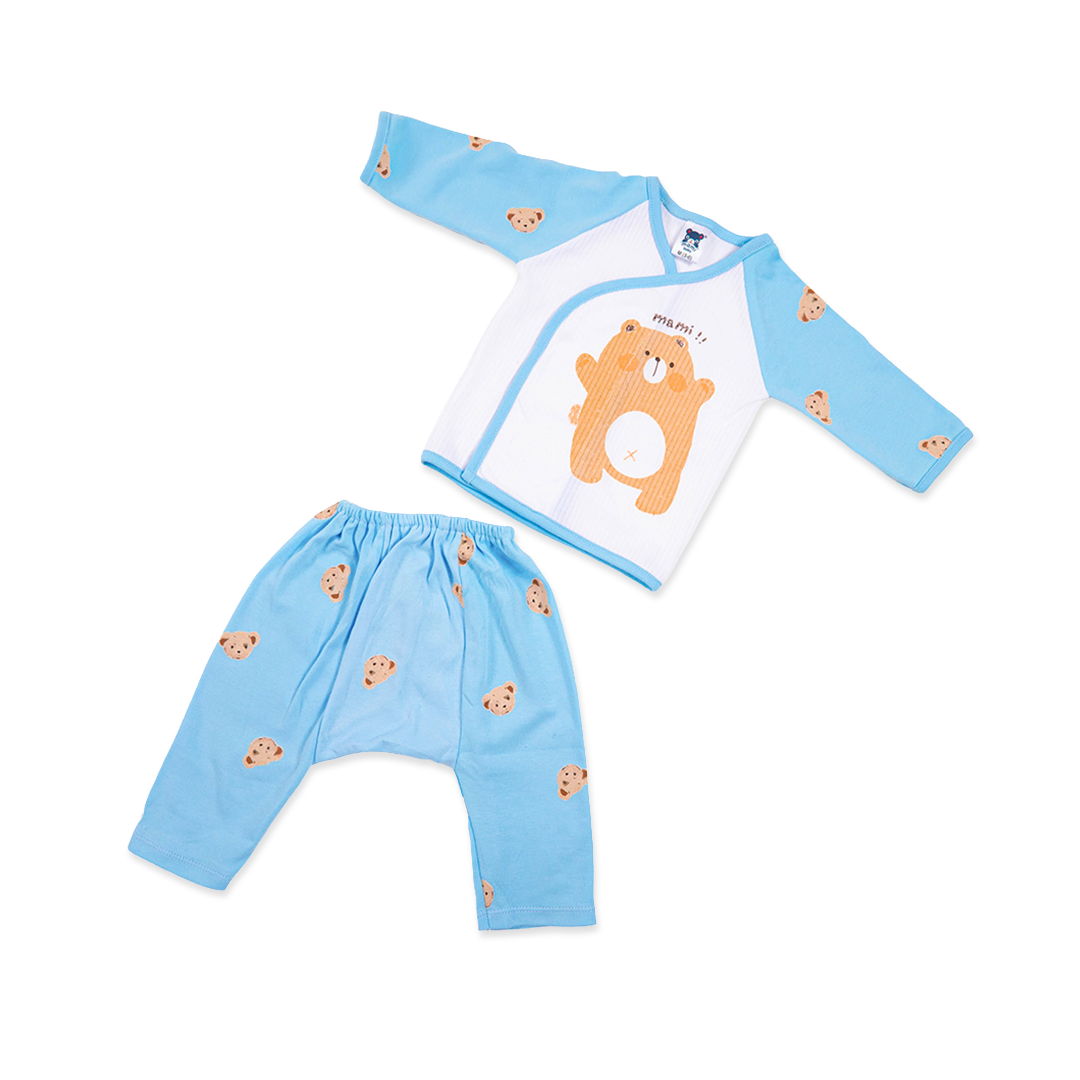
- Soft Bamboo Cotton Front-Open Velcro Nightwear Set: a front-opening top with a touch-close fastening and stretch pants, in 0–3 and 3–6 months (₹650 at the time of writing). Front-opening styles avoid pulling a top over a newborn’s head.
- Lightweight Bamboo Cotton T-Shirt & Shorts Nightwear Set: short sleeves and shorts for hot nights, 3–6 and 6–12 months.
- Premium Bamboo Cotton Nightwear Set with Koala Patch: from 3–6 months up to 18–24 months.
- Premium Bamboo Cotton Full Sleeves Top & Full Pajama Set: full coverage for cooler nights, 12–18 and 18–24 months.
Browse all of these in baby dresses and clothing or the newborn baby clothes collection.
Why Kidspot Shop sources its fabrics from Thailand
Kidspot Shop’s clothes are currently sourced from Thailand. We chose our suppliers for one reason: their fabrics felt noticeably softer than much of what we found when comparing baby clothes in Indian shops and online. That is why we import for now and choose every fabric for how it feels. We hope to manufacture in India in future as the brand grows, but today our range is imported.
Which fabric for which Indian season?
| Season | Typical conditions | Best fabric choices | What to avoid |
|---|---|---|---|
| Summer (March–June in most regions) | Hot, often very hot; dry in the north, humid on the coasts | Muslin or thin cotton jersey, single layer; light bamboo sets for night | Thick interlock with large plastic prints; synthetic frills; tight cuffs |
| Monsoon (June–September) | Humid, damp, clothes slow to dry | Muslin and thin cotton that dry fast; keep extra sets | Thick knits that stay damp; anything not fully dry |
| Post-monsoon (October–November) | Warm days, cooler nights in many places | Cotton bodysuits by day; full-sleeve cotton or bamboo sets at night | Over-layering in daytime |
| Winter (December–February) | Mild in the south and east; cold nights in the north | Cotton interlock base layer, full-sleeve suit, socks; a cotton blanket or sleep sack | Wool directly on skin; hats and heavy layers during indoor sleep |
India’s climate varies widely, so treat the months as a rough guide. For layering rules, room temperatures and AC guidance, read how to dress a newborn in Indian summer, monsoon and winter.
How to read a baby clothing label
Before buying, check these five things on the tag or product page:
- Fibre and percentage, for example “100% cotton” or “70% bamboo viscose, 30% cotton”. A blend with a little elastane adds stretch but slightly reduces breathability.
- Construction: interlock, jersey, rib or muslin tells you how it will stretch and breathe.
- GSM, if listed. Lighter for summer, heavier for winter.
- Size by age and weight: newborns grow fast, so check measurements against a size guide rather than age alone.
- Care instructions: water temperature, whether it can be tumble-dried, and whether colours may run.
Be cautious with health or eco claims on any label unless the seller can show the test report or certificate behind them. Kidspot Shop holds no fabric certificates, so we don’t make such claims; our product pages describe the fabric (soft cotton, a soft bamboo cotton blend, cotton muslin or cotton terry) and list Thailand as the country of origin.
Caring for newborn fabrics
The AAP suggests washing baby clothes before first use, and switching to a milder, fragrance-free detergent if your baby’s skin reacts (HealthyChildren.org, Cleaning Baby Clothes). Rinse well, use cool water for bamboo-based knits, turn prints inside out, and never fold or store clothes that are even slightly damp.
For everything Kidspot Shop sells, our care advice is: wash before first use; machine wash cold on a gentle cycle or hand wash, with a mild baby detergent; wash with similar colours; do not bleach; dry in shade and do not tumble dry; warm iron on the reverse if needed. See our fabric and care page for more.
Frequently asked questions
Is cotton or muslin better for a newborn in Indian summer?
Both are cotton. Muslin is woven loosely, so it is cooler and dries faster, which makes it ideal for jhablas and swaddles in peak summer. Cotton knits stretch better, so they suit bodysuits and rompers. Many parents use muslin by day and light cotton knits at night.
Is bamboo fabric safe for newborns?
Bamboo-based fabrics are widely used for baby clothes and feel soft and breathable. Check the label for the real fibre content, since most soft “bamboo” fabric is viscose made from bamboo pulp. If your baby has sensitive skin or eczema, ask your paediatrician which fabrics they recommend.
What GSM is best for baby clothes?
There is no single right number. Lower-GSM fabrics are lighter and suit summer; higher-GSM fabrics are thicker and suit winter layers, towels and wrappers. Compare GSM between fabrics of the same type, and ask the seller if it is not listed.
Should I avoid polyester for newborn clothes?
For clothes worn against the skin, most parents prefer natural fibres such as cotton because they absorb sweat. A small amount of elastane for stretch is common. Polyester is better kept to outer layers, if used at all.
Do I need to wash new baby clothes before use?
Yes, it is a good idea. The AAP recommends washing baby clothes before first use. Use a gentle detergent, rinse well, and make sure clothes are completely dry before your baby wears them.
Ready to build your baby’s first wardrobe? Start with our newborn baby clothes guide, compare outfit styles in jhabla vs romper vs onesie, or shop baby dresses and clothing and baby blankets.
About the author: Md. Farhan Alam is the founder of Kidspot Shop, which he started in 2022 to bring softer, fairly priced baby clothes to families across India. He is not a medical expert, so the safety guidance in this article is general; please check with your paediatrician about your own baby.
